

About
History
NAVA's origins date back to 1922, when Attilio Nava founded the family business in Milan, specializing in graphic arts. This experience gave rise to a deep design culture, characterized by precision, research, and attention to detail – values that still represent the brand's DNA today.
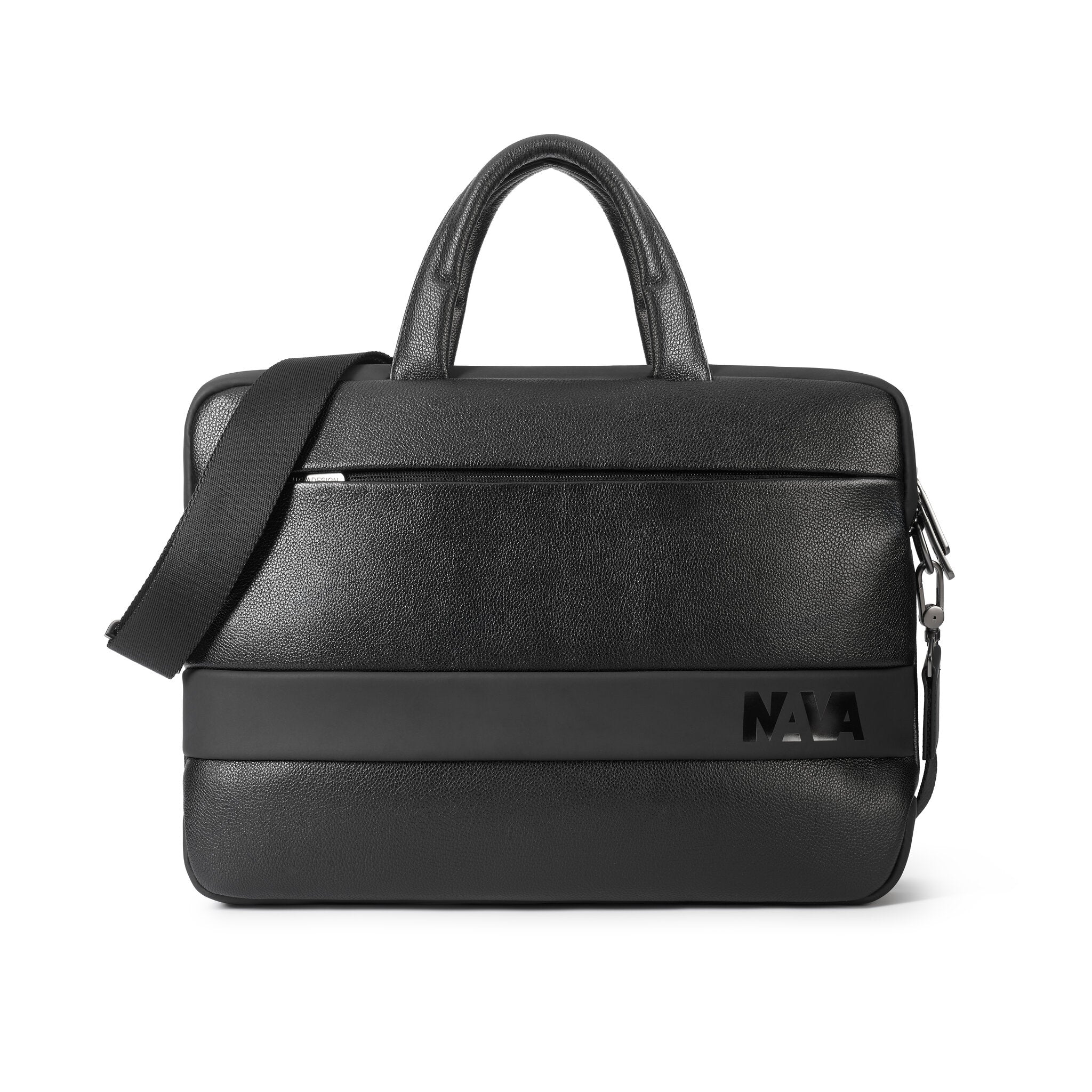
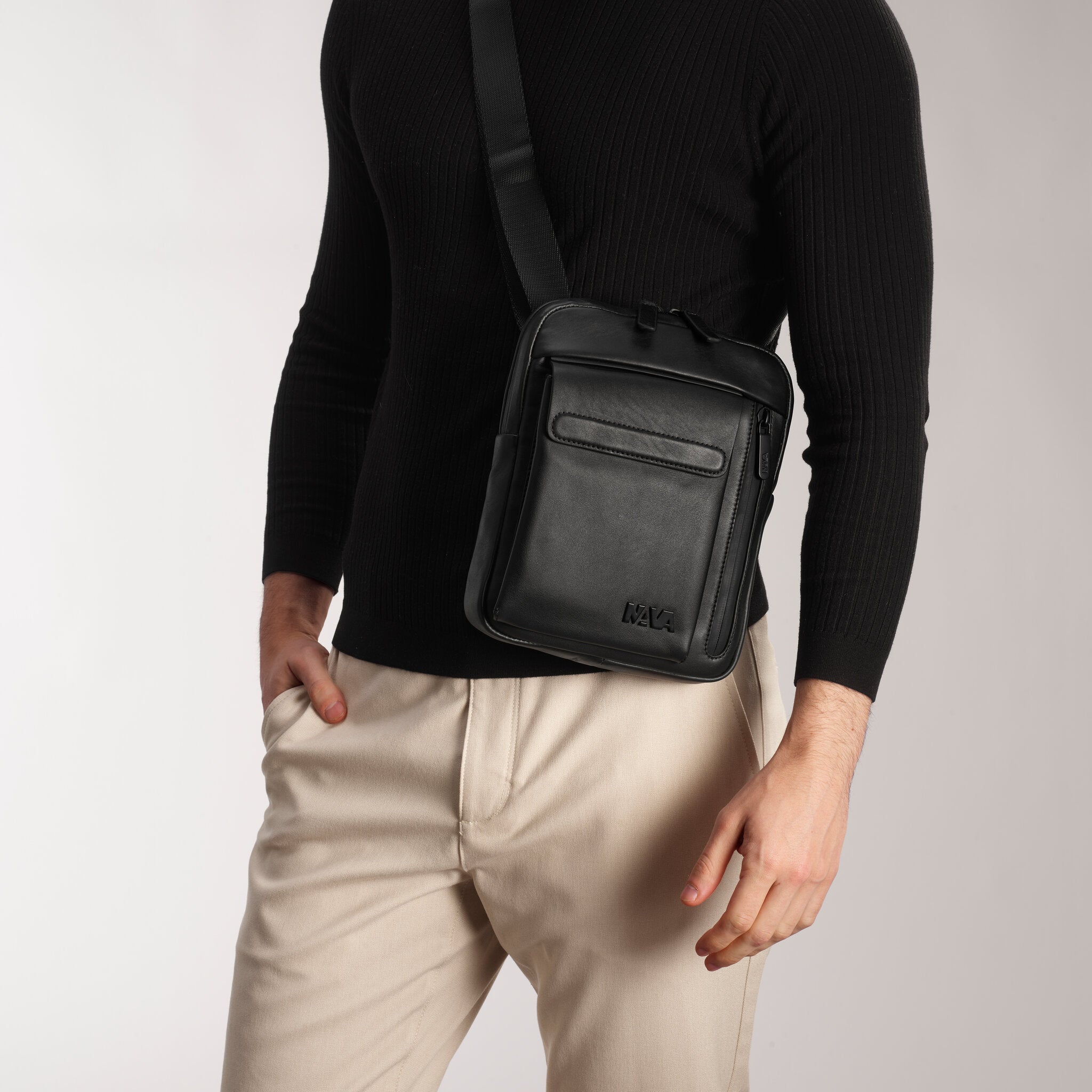
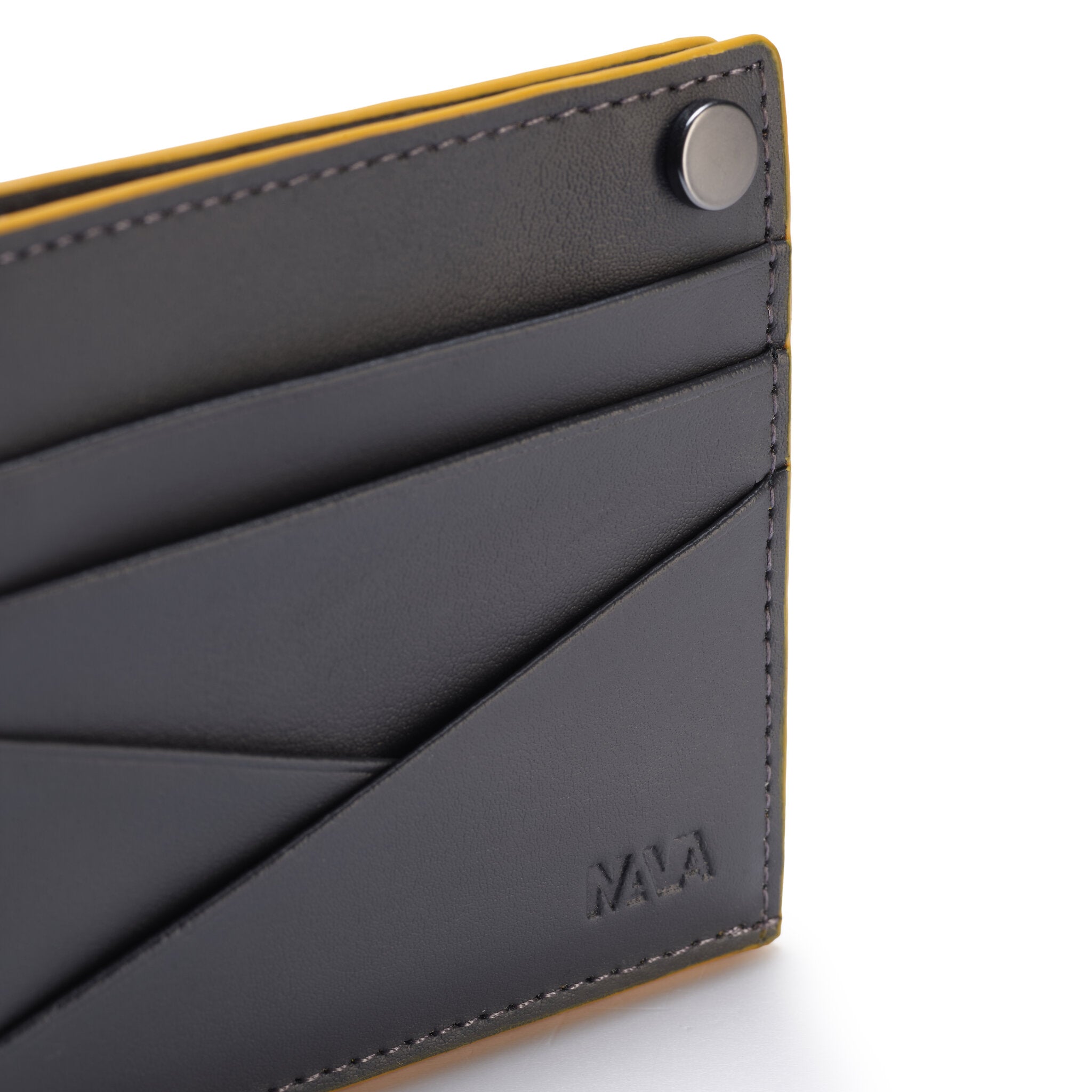
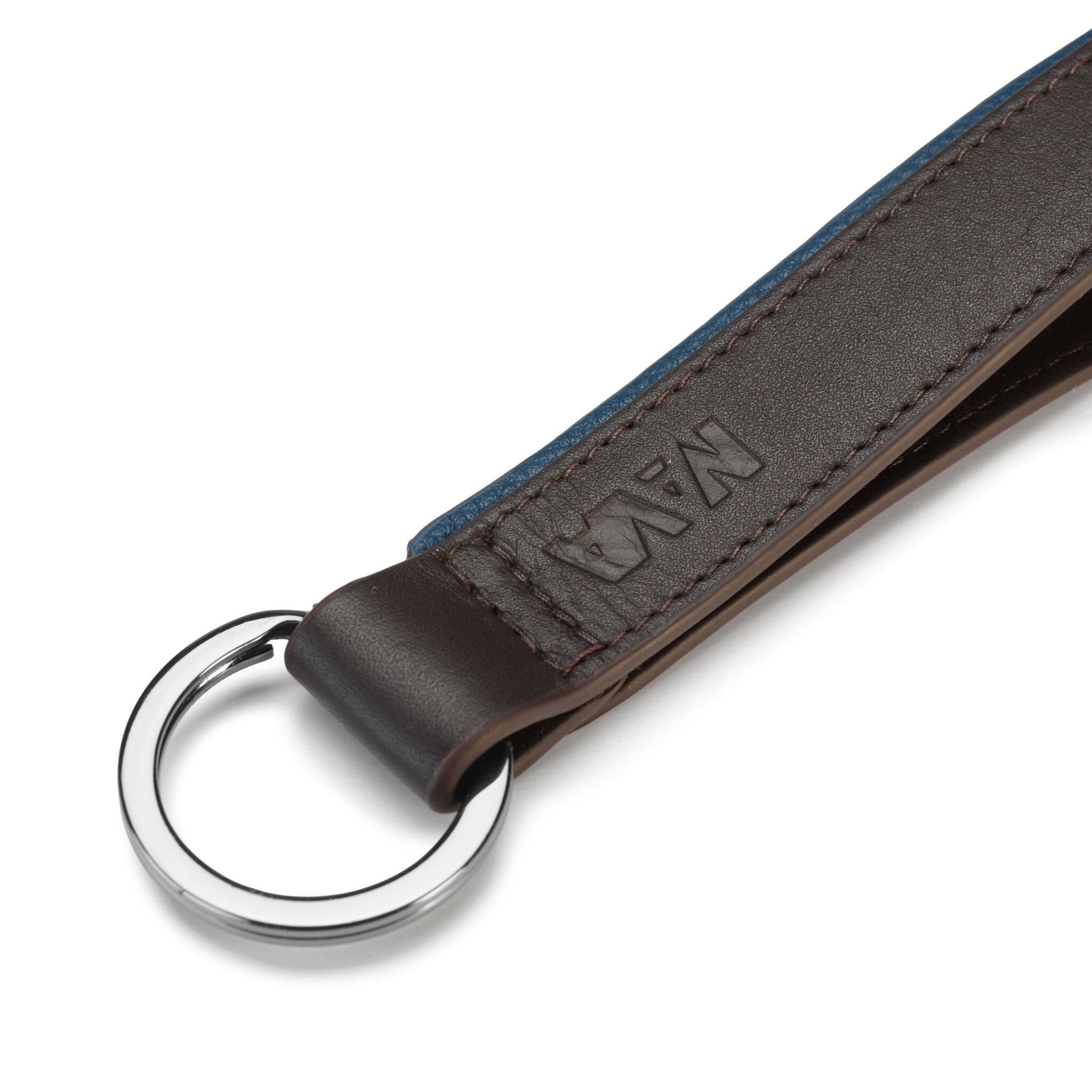
In 1970, NAVA Design Milano was founded, gradually expanding its scope over the years. In the late 1980s, the brand entered the world of desk accessories, bags, and everyday objects, transforming its design heritage into a collection of products for an international audience.
Since then, NAVA has continued to evolve without losing its connection to Milan, a city that represents one of the main reference points for design culture and continues to inspire its vision.
Design philosophy
For NAVA, design arises from the intersection of functionality, research, and essentiality. Every project is conceived to give form to useful objects designed to last over time.
Selected materials, technical solutions, and an essential aesthetic define a recognizable design language, where every detail serves a precise function. Quality is not just a result, but the starting point of every collection.
The designers
Throughout its history, NAVA has maintained a constant dialogue with some of the most influential figures in international design, fostering collaborations that have helped define the brand's identity.
Among the designers who have created projects for NAVA are Max Huber, Bob Noorda, Naoto Fukasawa, Nendo, Stefano Boeri, Denis Guidone, and Massimo Vignelli.
Max Huber
A Swiss graphic designer, he was one of the leading figures in 20th-century modern graphics. His language, characterized by compositional rigor, color, and dynamism, left a profound mark on NAVA's communication and identity.
Bob Noorda
Clarity and functionality were the guiding principles throughout Bob Noorda's career. The creator of some of the most famous visual identity systems of the 20th century, he designed projects for Agip, Mondadori, the Venice Biennale, and the signage for the Milan, New York, and São Paulo subways. The same essential approach shaped NAVA's iconic Settegiorni diary.
Naoto Fukasawa
A Japanese designer who, through an essential language and a deep focus on user experience, has collaborated with over 70 international brands in the furniture, electronics, and architecture sectors. His career has been recognized with numerous awards, including the IDEA Gold Award, the Good Design Award, and the German Design Gold Award.
Visit website
Nendo
Founded in Tokyo by Oki Sato, Nendo is one of the most influential design studios today. Its projects reinterpret everyday objects through simple ideas, where every detail becomes an element of innovation. Over the years, the studio has received prestigious international awards, including the Good Design Award, the ELLE DECO International Design Award, and Oki Sato was named Designer of the Year in 2012.
Visit website
Stefano Boeri
An Italian architect and designer, he is internationally renowned for an approach that integrates architecture, sustainability, and innovation. His design research explores the relationship between people, cities, and the contemporary environment. One of his most famous and award-winning projects is the Vertical Forest in Milan.
Visit website
Denis Guidone
Between Milan and Tokyo, Denis Guidone develops a design language that combines the rigor of Italian design with Japanese aesthetic sensibility. Experimentation with materials and the search for essential forms characterize his work, recognized with awards such as the IDA Design Awards and the Bruno Munari Prize.
Massimo Vignelli
Convinced that design should be timeless, Massimo Vignelli built a career that spanned graphics, publishing, product design, and corporate identity. His vision, based on simplicity, order, and coherence, influenced entire generations. Throughout his career, he shaped the image of international brands such as Benetton, Ford, Ducati, and Knoll.